Taking a look back at a pretty unusual year of screen art, physical distance, and how we found excitement again.
If you take a look through the records on MExIndex, you’ll see the collection called Displacements 2020 and it’s got a strong impact right off the bat. It’s like a frozen snapshot of a time when daily life suddenly stopped.
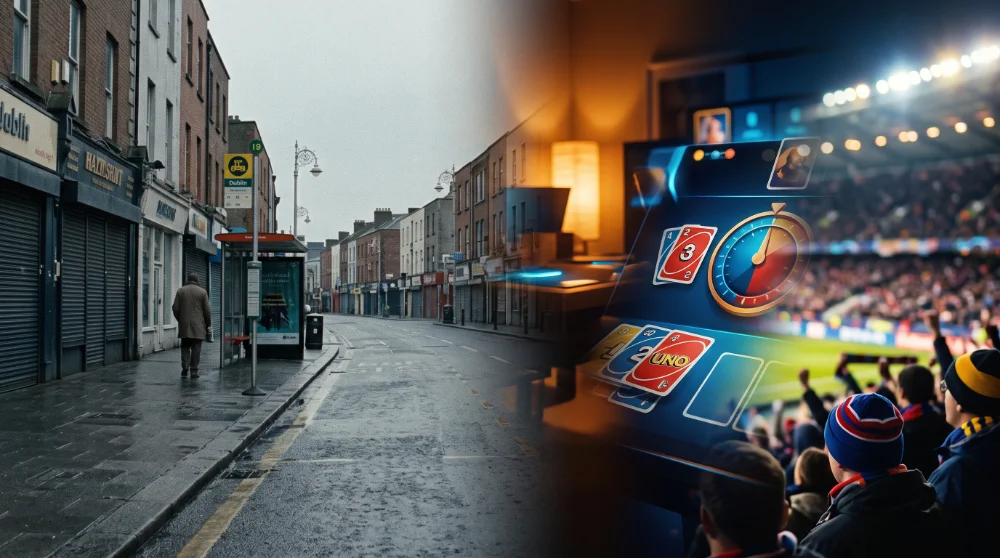
Back in early 2020, cities all over Ireland went quiet. The long counters of Dublin pubs were empty, the turnstiles at Croke Park had stopped turning, and galleries had locked their doors. Artists who worked with video, sound and moving images suddenly found themselves cut off from studios, sets and public exhibition rooms.
So, the response was this specific collection: a series of video pieces looking at what it means when bodies can’t share physical space. The word “displacement” was more than just a clever title. It described what millions of ordinary people experienced every morning. We were pushed away from workplaces, pulled out of big sporting arenas, and separated from the shared rituals that make community life worth living.
Looking at Displacements 2020 several years later offers a window into how Irish culture changed during that shock. It shows how our eyes adapted to small, glowing monitors. It also explains why people went looking for sharp, genuine excitement in new digital places, from live-streamed matches to interactive gaming rooms where random chance still provided authentic surprises.
The Shock of Silence: Inside the 2020 Collection
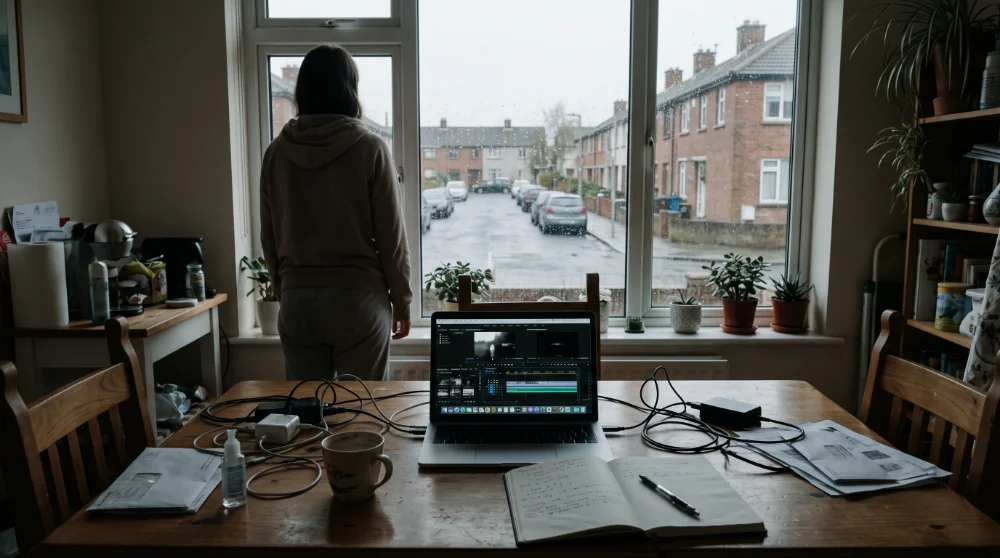
When you watch the works gathered under Displacements 2020, you realise how quickly creators had to ditch their usual equipment and habits. There weren’t any big camera crews, rented lighting rigs or big public premiere nights with drinks and a chat.
Instead, the moving image became personal, direct and slightly raw:
Cameras pointed out of domestic windows at empty suburban lanes.
Sound recordings focused on the hum of home appliances and the sudden, eerie loudness of birdsong over quiet motorways.
Digital glitches and internet buffering became part of the visual style rather than technical errors.
The pieces really captured that feeling of waiting. For months, we couldn’t make any solid plans. A wedding planned for June, a summer holiday to Spain, or an autumn trip to Lansdowne Road was simply crossed off the kitchen calendar.
People don’t really know how to handle total stillness. We are built for action, surprise and social interaction. When the internet was taken away, it became more than just a casual convenience – it became our entire connection to the outside world.
When the Stadiums Went Dark
To get a sense of how intense that time was for Ireland, just look at what happened with weekend sports.
For generations, Irish social life has gone with the flow of a shared sports calendar. Spring is the season for the Six Nations rugby debates; early summer is all about the county GAA championship rounds; and from August onwards, weekends are all about English and European football fixtures.
Then in March 2020, everything ground to a halt:
St Patrick’s Day parades were cancelled overnight.
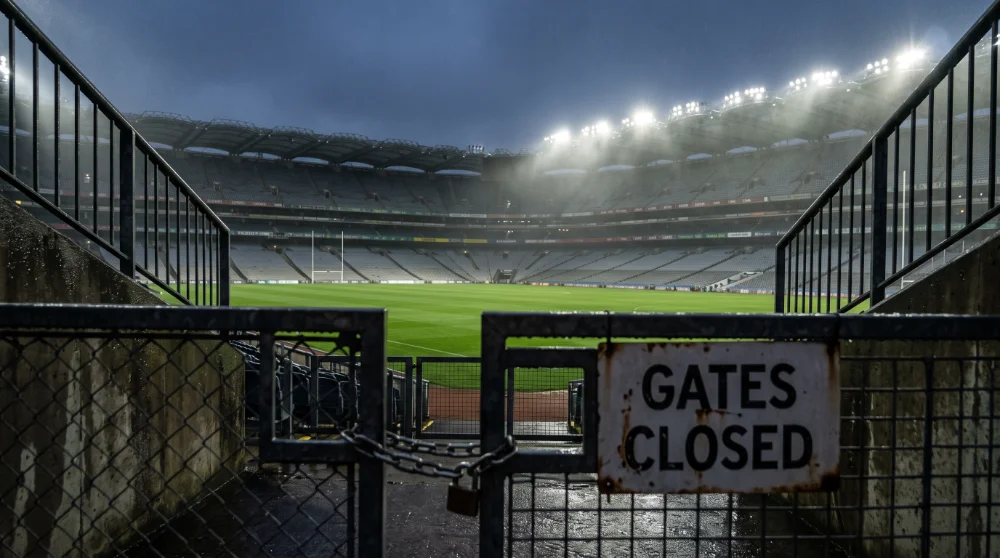
The Gaelic football pitches were chained shut with padlocks on the gates.
The big European football leagues have all suspended fixtures for the foreseeable future.
When the matches finally happened again months later behind closed doors, the visual effect was bizarre. TV stations played fake crowd noise through soundboards to hide the hollow echoes of boots kicking leather in giant concrete bowls. Cardboard cutouts were where the passionate supporters used to be.
It just felt wrong somehow, because sports are about real human stakes. It’s not just the grass and white lines that provide energy; it’s also the collective belief, shared nervous tension, and the very real possibility of an unexpected upset.front of twenty thousand screaming witnesses. That sudden void left people craving genuine tension.
The Digital Migration: We’re always on the lookout for exciting new places to play!
With public venues closed, people started looking for ways to bring some excitement back into their evenings. The best thing about it was that, if you couldn’t travel to a physical venue, the venue would come to you!
This was a time when interactive entertainment went through the roof. Connected digital servers, streaming sports platforms and modern casino lobbies are now the norm on our high streets, and they’re better than ever!
It’s incredible how live studio gaming has taken off.
Before that shift, lots of people saw online gaming as a bit of a boring, mechanical pastime, which is pretty interesting when you think about how much it’s changed now! 2020 was a year of amazing progress in visual technology!
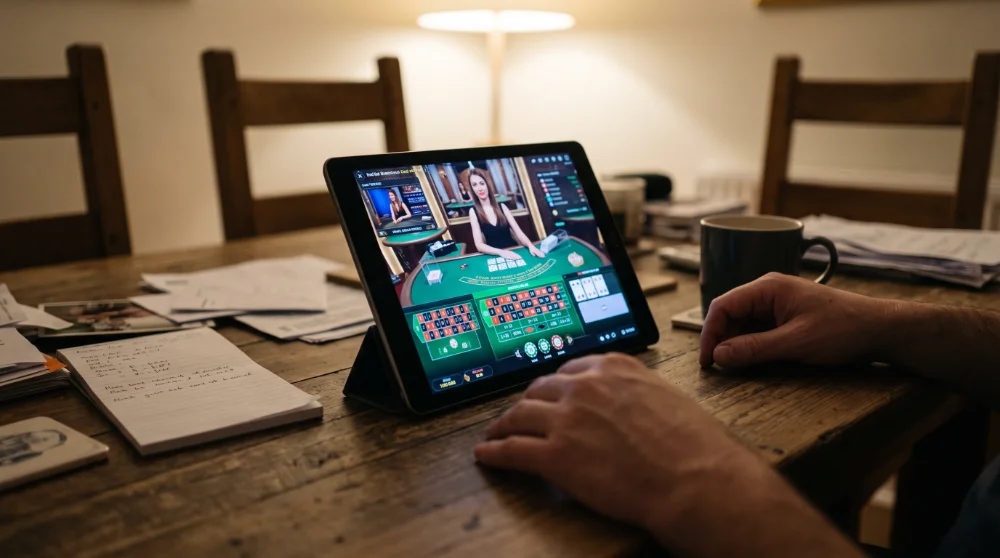
We’re delighted to introduce our live presenters and dealers: Prepare to be amazed as you watch high-def video feeds of professional croupiers dealing physical cards in real time! Players can chat, comment on moves, and watch real roulette wheels spin without computer generation – pretty amazing, right?
Game Show Environments: Interactive wheels and multi-stage game formats brought the atmosphere of television entertainment onto home screens, so it was like having the best of both worlds!
Community Tables are amazingly fast! Group blackjack tables and live poker lobbies let people all over Cork, Galway and Belfast play together at the same time.
It was about a lot more than just testing your luck with a few euros; it was about taking part in a live event where nobody, not even the house, knew what the next card would reveal.
The Value of Randomness: We all know why predictability bores us.
The works in Displacements 2020 documented an existence where every single day looked identical. You woke up, worked from a kitchen stool, walked the same five-kilometre road, and went to bed.
That constant repetition highlighted an important fact about human psychology: we need to mix things up to stay alert.
The Architecture of Suspense
Think about why people like placing a small bet on a football match in the evening or trying out a few rounds on an online slot machine:
An Open Result: Unlike a scripted drama on a streaming service where the hero usually survives, a football match or a card game has no guaranteed outcome. It’s the uncertainty that keeps you on your toes.
Personal Agency: Whether it’s picking a horse at Punchestown or choosing a number on a green felt table, making a decision is key. Even a small choice makes you care about what happens next.
The Surprise Factor: Modern games have cool features like cascading reels, bonus drops, and crash games that use certified random number generators. That unpredictability really breaks up the humdrum of modern life.
Back then, pretty much every part of life was strictly controlled by health rules and travel limits, so games of chance were a small, harmless place where real surprise was still allowed.
From analogue records to high-performance servers.
The way we consume media is changing, as shown by the transition captured in the MExIndex archives. Art that used to be on physical videotape or projected onto the walls of dark galleries has now moved online.
The same tech revolution has totally changed how sportsbooks and gaming providers work. These days, users expect platforms to run smoothly, transparently and securely.
Here are the main things to look out for when it comes to modern entertainment platforms.
Clear Information: Top sportsbooks show you the exact odds, team form tables and terms of service in simple, easy-to-read text.
Speed and stability: Modern servers can handle thousands of live sports updates per second without freezing, even during the most crucial parts of a game.
Transparent Game Math: Trusted casino software carries verified Return to Player (RTP) figures, so you can see the statistical balance of each game before you play.
Flexible Choices: Whether someone’s into local hurling leagues, European cup ties, or quick spin digital slots, having a wide range of options makes for a better user experience.
Just as artists in 2020 figured out how to use home webcams and digital streams to connect with audiences, entertainment platforms started creating immersive experiences in simple web browsers.
Keeping your cool: the habit of playing it safe
It’s interesting how digital entertainment is becoming more popular, and it makes us think about the importance of self-control. The artists in Displacements 2020 got through the period by setting routines, staying disciplined and keeping their feet on the ground.
The same rule applies to anyone betting on sports or playing casino games today. The key to enjoying your hobby is to have clear, sensible habits.
- Just set some clear spending limits.
Recreational betting can always be budgeted for as a low-key form of entertainment. If you treat deposits like the price of a cinema ticket or a match programme, you can make sure that play stays fun.
- Take a look at the percentages.
Whether you’re checking out league tables or casino game parameters, knowledge is key. Games with higher payout percentages tend to be more fair over time than those designed with higher margins.
- Try not to chase losses.
Sporting results can be affected by a bad penalty decision, an unexpected red card, or a lucky deflection. You’ve got to be able to accept that sometimes you don’t get the outcome you want. If you try to force a win, you’re likely to make some bad decisions.
- Step Away When the Match Ends
The best thing about sports and gaming is the build-up to the result. When the session ends or the whistle sounds, closing the app and getting back to everyday life helps you keep things in perspective.
The Lasting Lesson of Displacements (2020)
The videos in the Displacements 2020 archive show us something lasting about human society. You can lock people down, shut down public transport and cancel all the sports fixtures, but you can’t stop people wanting to do things, take risks and be part of a community.
We found ways to adapt. We watched matches played in empty arenas, cheered through messaging groups, and discovered the lively pulse of interactive digital rooms.
Looking back at those quiet video pieces reminds us how much we value the noise, the drama, and the unwritten chapters of live competition. Life is just better when there’s something at stake, when the outcome is uncertain, and when we have a reason to cheer.