A new look at Bob Quinn’s 1979 film and the way suspense is liked today.
When we look back at the history of independent Irish film, few records are as tense as Bob Quinn’s 1979 documentary The Family. This production is listed in visual archives like MExIndex, and it is a really interesting topic for anyone fascinated by close groups, social pressure and how crowds behave under stress.
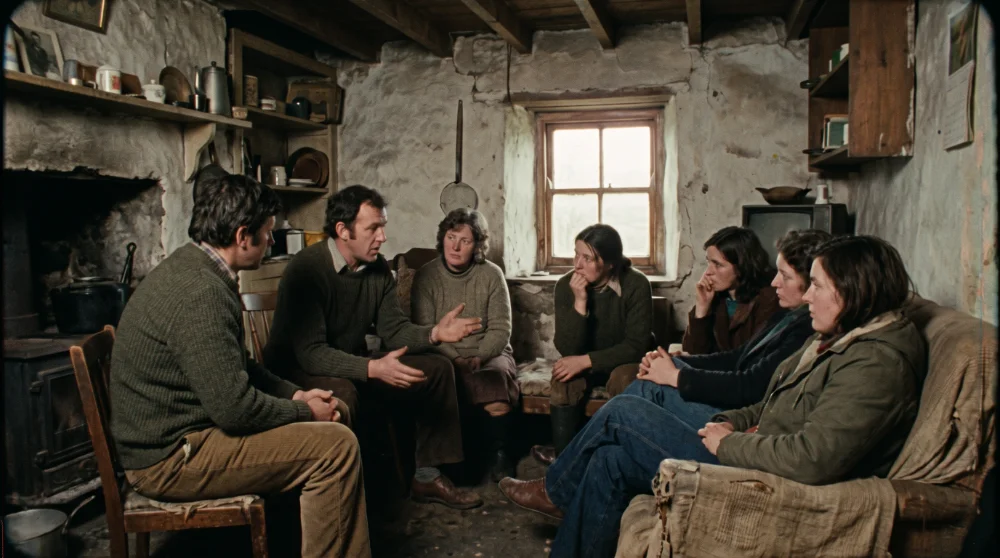
Quinn went to County Donegal to take photos of the Atlantis group, also known as ‘The Screamers’. Jenny James was in charge of a group of people who lived together as one big family and did not have any of the usual social habits. RTE had asked for the film to be made. The finished film shocked the people in charge of the station. The people in charge thought that the content was too violent for normal TV screens. The reels were left alone for 14 years before Lelia Doolan helped make them available to the public on TV in the 1990s.
Quinn once said that if you start off timid, you will end up timid.
That observation is really important, and it’s important for more than just documentary cinema. You can see the same truth on a cold Saturday evening inside an Irish football ground, in the quiet of a card room, or on the digital screens where people follow live sport and interactive games. If you are unsure, you will not feel much excitement. People naturally like to make bold choices, go through big changes, and feel the excitement of the unknown. Re-examining The Family looks at why people love intense shared experiences, like living together in a community, the exciting atmosphere of sports stadiums, or modern activities that are based on chance and probability.
Behind the Closed Doors of Atlantis
You won’t be able to appreciate the incredible impact of The Family unless you take a moment to consider the Ireland of the late 1970s! Public discussion was guarded, traditional values were rigid, and the domestic household stood as an unbending standard. Venturing beyond the boundaries of convention often led to intense social acceptance.
Quinn boldly defied the unspoken rules, strapped his sixteen-millimetre camera to his shoulder, and set out to capture people who had abandoned safety.
The commune members were on a mission to find something that would give their lives that extra oomph that they felt was missing from their normal routines. They shouted, challenged each other, and threw away all pretence of polite conversation. Decades on, it’s incredible to see how the group dynamic is at the heart of the story. These people have bravely abandoned security for the exhilarating unknown of human connection. They staked their names, comfort, and peace of mind on an idea, and it paid off!
Quinn showed the experiment in all its glory, without any romantic embellishments. He was careful not to mock his subjects, but he also refused to place them on pedestals. The camera recorded an undeniable reality: when human beings gather in pursuit of high emotional returns, they willingly accept genuine friction.
From Small Communes to Grand Stadiums: The Shared Pulse
The intensity seen inside that Donegal commune is a testament to the passion and excitement that modern sports culture has to offer.
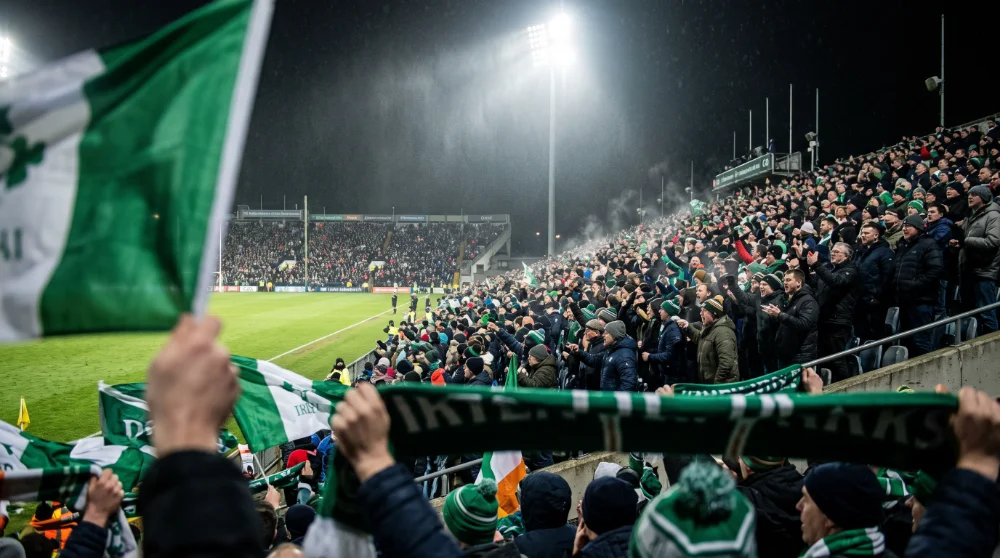
Come and experience the vibrant atmosphere of Dublin city centre, whether it’s before an exhilarating All-Ireland match or during a thrilling rugby fixture at Lansdowne Road.
Thousands of supporters act with a unified focus – it’s so inspiring to see!
The atmosphere is electric as chants erupt from one corner and resonate through the stands.
The whole terrace is hanging on by the skin of its teeth, as it were, as the ball bounces around unpredictably.
Sport is such an amazing way to experience the best kind of highs and lows, right alongside your friends and family! When county teams meet in mid-winter or Irish clubs run out for evening European fixtures, supporters leave quiet routines behind to feel something direct and unscripted.
A contest that swings in the final two minutes is always thrilling, delivering a sudden surge of feeling. People celebrate with strangers, scream at referee decisions, and measure their weekend by twenty-two players on grass. I’m so excited to share the same basic impulse that Quinn captures so brilliantly. It’s this incredible drive to break free from the ordinary and embrace the unknown, sharing those moments of intensity and excitement with a crowd.
Get ready for a thrilling journey into the world of probability, suspense and the irresistible pull of the table!
The desire for sudden suspense is something that reaches into other social pastimes too. Across Ireland and Britain, there’s a shared fascination with sports analysis, odds calculation, and casino gaming, all of which are captivating because they’re about the unknown.
If The Family showed what happens when people push past timid living, then games of chance show how people engage with probability for entertainment – how exhilarating! It’s about having the confidence to back an opinion, reading the situation, and watching how events unfold.
The move to interactive digital rooms
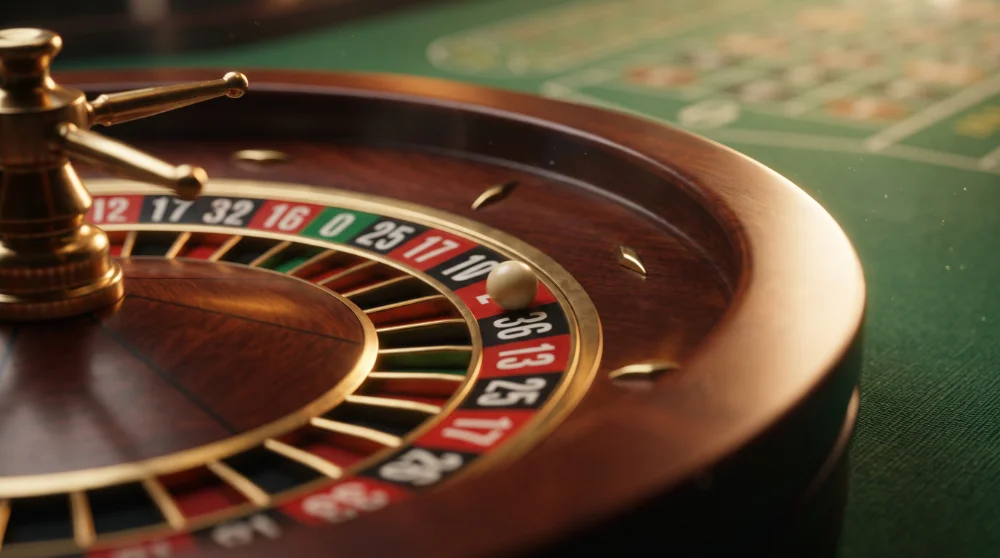
In the past, people would often go to private clubs in the city to play roulette or card games. In recent years, there’s been a lot more choice in entertainment, with connected digital servers and online gaming rooms popping up everywhere:
Live Studio Environments: Players interact with human dealers through high-def video feeds. Real cards get shuffled, wheels spin in front of lenses, and players chat via text. The social atmosphere of a classic table is now available on your home screen.
Modern Slot Formats: From the old-school three-reel setups with shamrocks and bells to the multi-line games with cascading symbols, the format has become a proper audiovisual show.
Fast Action Titles: Digital titles with real-time multiplier graphs challenge players to make instant decisions before an unexpected drop happens.
These activities aren’t about just sitting back and watching. They offer a direct interaction where human judgment meets random outcomes, which is similar to the thrill of testing fate.
Why We Seek Tension: The Psychology of Play
Why do so many people follow sports form guides every weekend or spend their free time on gaming platforms? It all comes down to human psychology.
Active Agency
Watching a scripted TV series is a bit like passive entertainment, right? On the other hand, studying horse form at the Curragh, looking at football stats or deciding when to stand on seventeen in blackjack requires you to make an active choice. A person looks at the numbers, makes a decision and takes a stand.
We all work well together
If you’ve ever got a group of friends together to watch a live match, you’ll know how good it is for the social side of things. One team needs to score, while the other has to defend their lead. When a prediction comes up right, the whole team celebrates. The sense of everyone being on the same page goes well with the close camaraderie seen in Quinn’s study of group life.
Breaking the daily routine
The usual routine for most people is work shifts, doing the housework and having a set schedule. A match or session at a digital gaming table can be pretty tense if you don’t know what’s going to happen. For ten or twenty minutes, the outcome is anyone’s guess, which makes modern life feel like a bit of a rollercoaster.
Screen Culture and the Architecture of Modern Gaming
Platforms that document Irish moving image works, like the entry for The Family, show how filmmakers used visuals to hold attention. These days, you can find it in the graphic design and responsive architecture of top-notch sports hubs and digital gaming servers.
When players are on the lookout for quality platforms to enjoy their free time, there are a few features that define a well-run environment:
So, what makes a solid entertainment server?
Clear and Fair Rules: A good platform gives you simple language about payouts, return figures and user agreements.
Smooth Processing: Our servers are top-notch, so you won’t have to wait long for your deposits or account requests.
Here are some sports and games catalogues for you to look through. There’s loads to keep you busy, from local Gaelic games, Premier League matches, and tennis tournaments to blackjack and digital slots.
Transparent Standards: Platforms that use software from well-known design studios make sure that the results come from fair, tested maths models and not hidden manipulation.
If you look at how these digital spaces are set up, you can see how far visual entertainment has come from the analogue tape machines of Quinn’s day to responsive, data-driven interfaces.
It’s all about making calculated decisions versus going with the flow.
If you’re into sports predictions or casino games, you need to be disciplined. Just as Quinn kept his cool on set, anyone working in probability-based entertainment can benefit from thinking things through.
How to handle your allocation
It’s a smart move to not put all your eggs in one basket. If you set a clear budget and use small fractions – between one and three percent per play – you can make sure that an unexpected upset on the pitch won’t ruin the experience.
Taking a look at some options that might not be top of the list.
It’s rare that backing a short-priced favourite will give you much satisfaction or long-term advantage. A lot of the time, experienced observers will look at the underlying numbers, check out defensive weaknesses, or look at corner counts where there’s less public attention.
So, let’s talk about return figures.
Casino games are based on maths models called Return to Player (RTP). A title with a proven payout figure of ninety-six percent gives clearer expectations over time than one built with tighter parameters. Players who know their stuff pay attention to the maths.
Keeping things balanced
Promotions, extra spins and match features can add some extra play time, but you’ve got to read the conditions to make sure you know what you’re getting. The main aim is still to have fun, not to make money.

The reasons why people keep coming back to unscripted outcomes
Bob Quinn’s The Family is still going strong because it was honest about what was going on. It showed people willing to step away from everyday comfort to seek intense feelings in an isolated corner of Donegal. The film showed that people want more than just a quiet routine; they want drama, company and real stakes.
We see that same vibe today in the way Irish audiences get into sports rivalries, celebrate underdog wins, and enjoy the buzz of digital gaming rooms. Life feels most vivid when the final result is still up in the air.
Whether you’re studying the history of Irish independent film or watching a match go to extra time, the pull is always the same: the pure excitement of seeing where the next turn will lead.