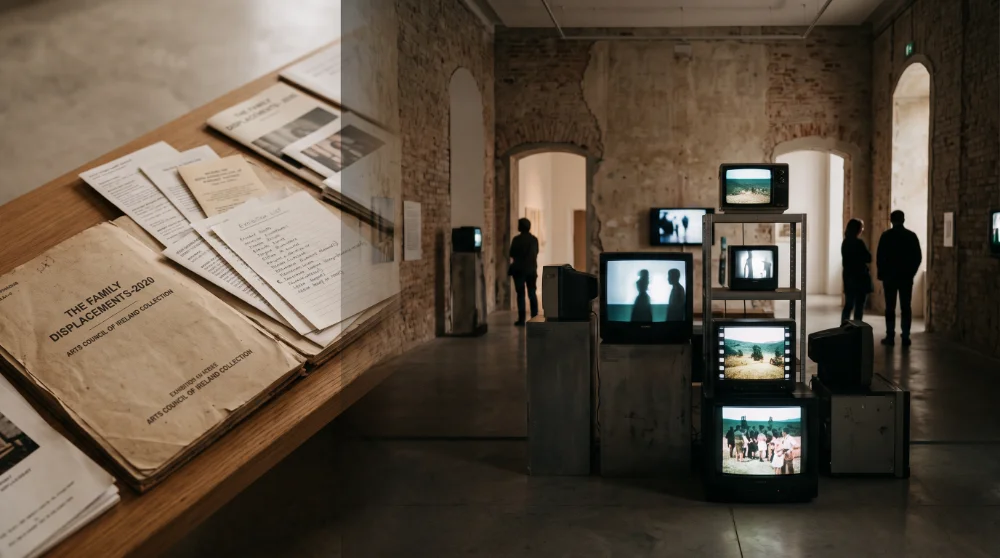
A look at how many people go to see experimental moving image works and the big demand for big shows.
When we look at how visual culture has developed in Ireland, it’s interesting to see that the Arts Council of Ireland (An Chomhairle Ealaíon) has a lot of historical importance in this area. The Arts Council’s collection is documented across various cultural databases and research platforms, like MExIndex, showcasing decades of dedicated public patronage. It’s basically a living archive that shows how Irish creators moved away from just using conventional media and started doing some really bold, moving image stuff, video installations, and sensory cinema.
Ireland has always had a lot of public support for the arts, and that goes way beyond just putting canvases in municipal galleries. It shows that the country has decided to take creative risks, to fund projects before we know if they’ll make money, and to make sure that unusual points of view are recorded for future reference.
Looking at this archive today shows a striking parallel to broader aspects of Irish public life. So, whatever we’re looking at, whether it’s how an experimental filmmaker balances narrative tension, how an audience gathers around a historic sporting fixture in Dublin, or how people engage with modern leisure that turns on probability and chance, the common thread is our collective search for genuine drama. Cultural archives show us that people come together to enjoy shared experiences, be creative, and express themselves.
The way public funding for architecture works in Ireland
To get your head around the works in the Arts Council of Ireland Collection, you’ve got to look at how the institution itself developed. The Council was set up under the Arts Act of 1951 to get people interested in the arts, advise government bodies on cultural matters, and help artists.
For years, the main focus of state purchases was on painting and sculpture. Traditional landscapes, portraits and figurative bronze sculptures were everywhere you looked: on public buildings, in schools and local council offices. But towards the end of the 20th century, Irish artists started to challenge those limits:
Video gear that was lightweight meant that creators could take production out of expensive soundstages and shoot on wet city pavements, in bogs and at coastal outposts.
Artists started using the monitor not as a TV for entertainment, but as a sculpture in a dark room.
They deliberately broke the rules of storytelling to use looping audio, textured film, and unscripted street interviews.
The Arts Council made the really important decision to buy, preserve, and circulate these challenging pieces. By treating artists’ moving image works as essential cultural assets, the Council ensured that temporary, fragile, and non-commercial visual experiments were not lost to tape decay or format obsolescence.
Moving Image as a Living Record of Social Change
The films and videos in this collection are a pretty good indicator of modern Irish history. People who make films and stuff don’t usually go for images that make them feel all warm and fuzzy inside. Instead, their lenses tend to capture the changing urban landscapes and the shifting identity of a nation evolving at high speed.
Space, Body, and Landscape
A big part of the collection looks at how people move around in rural and urban spaces:
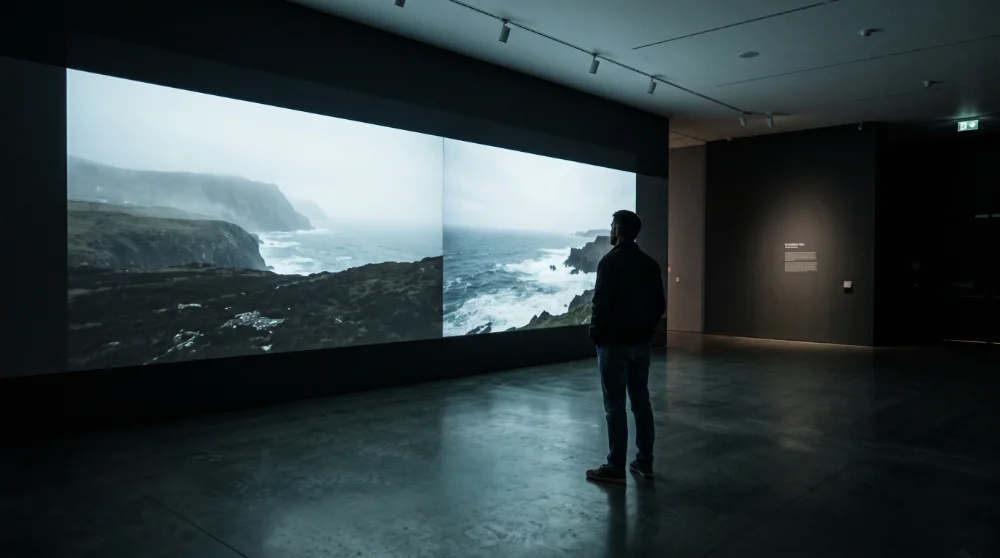
The West and the Coast: It’s not like on the tourist postcards, with moving image artists often showing the western coastline as a place of physical isolation, bad weather and a harsh acoustic rhythm.
Urban Reconstruction: Photos from the 80s and 90s show how Dublin changed, with old docks being replaced by shiny offices.
The Human Presence: Experimental dance and video performances show the human body under pressure from repetitive work, social rituals and machines.
These video documents are really honest, which is something you don’t often see in polished broadcasts. By preserving them, the Arts Council provided an essential counterweight to mainstream media narratives, offering a nuanced reflection of Ireland’s social realities.
From Gallery Quiet to Stadium Roar: The Continuum of Spectacle
Experimental video art might seem like it’s miles away from the rowdy energy of other popular pastimes, but both are basically about the same thing: the human need to get together, watch, and experience intense emotions as a group.
Think about how a society spends its free time and collective energy. One quiet afternoon at the Irish Museum of Modern Art (IMMA), a visitor is alone in front of a video installation playing a loop, waiting for the visuals to hit their peak or the sound to suddenly change. The tension is internal, thoughtful and calm.
Step outside into the weekend streets of Dublin, Cork, or Limerick, and that same search for narrative tension takes on a loud, collective form:
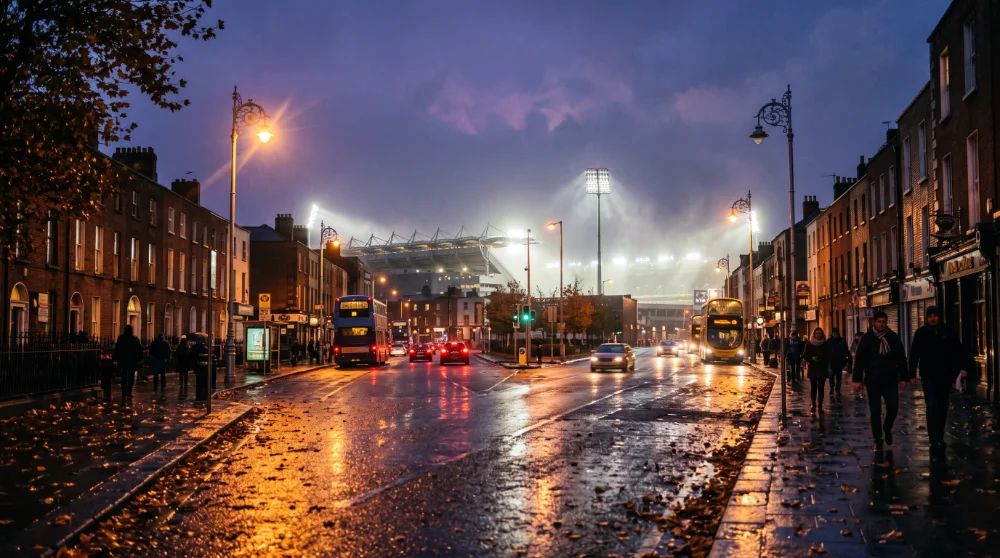
The Shared Stadium Drama: When 50,000 people fill Croke Park for an All-Ireland match or walk into the Aviva Stadium on a cold autumn evening, they’re looking for unscripted drama. The crowd reacts to how the ball is moving, the tactical moves of the other team, and how unpredictable extra time is.
Rhythm and Ritual: everyone singing, team scarves and then having a post-match chat in the local pub – just like at cultural gatherings.
People go to the gallery or to watch a match to get away from their normal lives for a bit and have some fun. Whether it’s on an artist’s 16mm film strip or on 90 metres of grass, the show is always amazing.captivates because its ending cannot be foretold.
Systems, Numbers and the Modern Play Architecture
Lately, there’s been a real mix of visual culture, spectator events and digital media. It’s just like how the Arts Council’s archive went from analogue magnetic tape to high-resolution digital servers, and how everyday public leisure has moved online.
A lot of people who follow sports fixtures or study athletic form find that this interest naturally leads to probability, odds calculation, and interactive digital games.
The look and feel of digital interfaces
These days, digital platforms rely a lot on the principles perfected by screen artists, whether they’re tracking live football stats or running interactive card games.
Visual Timing and Tension: The sudden pause of a spinning dial or the slow reveal of a card on a green felt table uses the same psychological timing found in suspenseful cinema editing.
Immersive Audio: The sound effects, from the background noise of the virtual dealer studio to the click of the reels, make you feel like you’re right there.
Information Density: Clean layouts show probabilities, historical records and real-time updates directly to the user, turning passive watching into active observation.
These pastimes show how we’re still fascinated by risk and calculation. Whether it’s playing a game of chance or following a match line that’s up and down, it’s all about testing our perceptions against an uncertain reality. That’s what makes art so compelling.
The Preservation Challenge: How to Keep Moving Images Alive
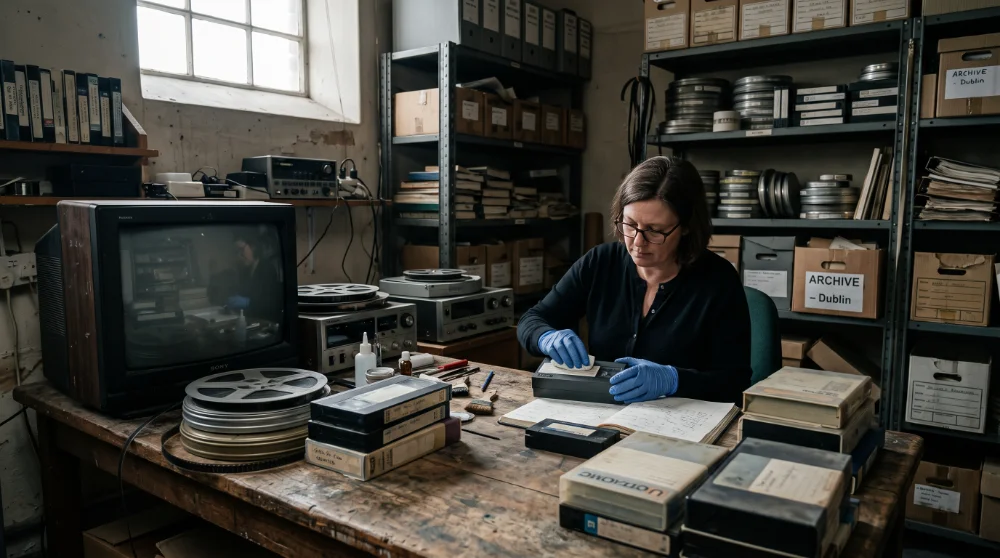
One of the best things about the Arts Council of Ireland Collection, as listed on MExIndex, is how much it focuses on looking after media. Well, oil paintings can last for centuries if they’re kept cool, but moving image works have a much harder time when it comes to preservation.
Magnetic Tape Degradation: Formats like U-matic, Betacam and early VHS tapes physically break down over time, suffering from sticky-shed syndrome and signal loss.
Hardware Extinction: It’s getting harder and harder to find functional analogue decks, cathode-ray tube monitors and historic projectors these days.
Digital Migration: Moving video to a modern server infrastructure means you’ve got to keep checking files all the time, transcode to uncompressed formats, and make sure you’ve got redundant storage systems in place.
The work of archivists makes sure that future generations can access these really important pieces of Irish cultural history. If we don’t have proper support from the institutions, all that hard work on experimental film and video over many decades is going to disappear into the digital void.ce.
Getting to grips with culture in a sensible way
Whether you’re checking out rare films in a public gallery, chatting about tactics after a weekend match, or sometimes having a night out trying out different online games, the best experiences come from a steady, thoughtful approach.
Just a heads-up: don’t go impulsive, take a step back and observe first.
Just as an art critic looks at things like composition, lighting, and historical context before forming an opinion, anyone observing sports markets or interactive games benefits from taking a patient look at things:
Understanding the Structure: Try to understand the rules, margins and design choices that go into any platform you use.
Maintaining Balance: Just make sure your leisure activities are proportionate. It’s good to have a bit of fun in your life, but don’t let it take over.
Appreciating the Craft: If you look past the surface, you’ll see that there’s a lot of work that goes into high-level performance. Whether it’s an artist’s meticulous frame editing or an athlete’s tactical discipline under match pressure, there’s a lot to appreciate.

So, the question is, how important is the Arts Council Archive really?
The Arts Council of Ireland Collection is still a really important place where you can find imagination, different opinions and creative ambition. It shows that a society is measured not only by how much it sells or the things it builds, but also by the places it makes for people to be creative and think together.
By keeping on display pieces that make us think differently, the collection keeps on meeting the cultural needs of the country. It’s a reminder that no matter where we are, whether we’re in a silent gallery, a stadium, or looking at a digital screen, we’re always drawn to the rush of the unknown and the power of a great show.