I. A National Treasure, Tucked Away
When you’re strolling through Temple Bar, you’ll find yourself in the middle of Dublin’s cultural quarter, with its vibrant atmosphere. It’s easy to forget that, tucked away inside the Irish Film Institute, there’s a treasure trove of our nation’s spirit that’s just as important as any other in the country. As Head Kasandra O’Connell says, the IFI Irish Film Archive is a workplace that is “exhilarating and frustrating in equal measure”. It’s a labour of love driven by a small but dedicated team whose resources often don’t match the scale of their remit.
It’s a bit of a hidden gem in our cultural scene. Since it was set up in 1986, the Archive has grown to become the world’s biggest and most comprehensive collection of Irish moving image material, covering the years from 1897 to the present day. It’s not just a stash of forgotten films; it’s a carefully put-together collection of work that includes animation, documentaries, newsreels, feature films, and the very thing we’re looking into here: experimental cinema. For those of us who’ve always supported the visual arts in this country, the Archive is a really important institution.
II. The Amateur Lens: Ireland’s Unintended Avant-Garde
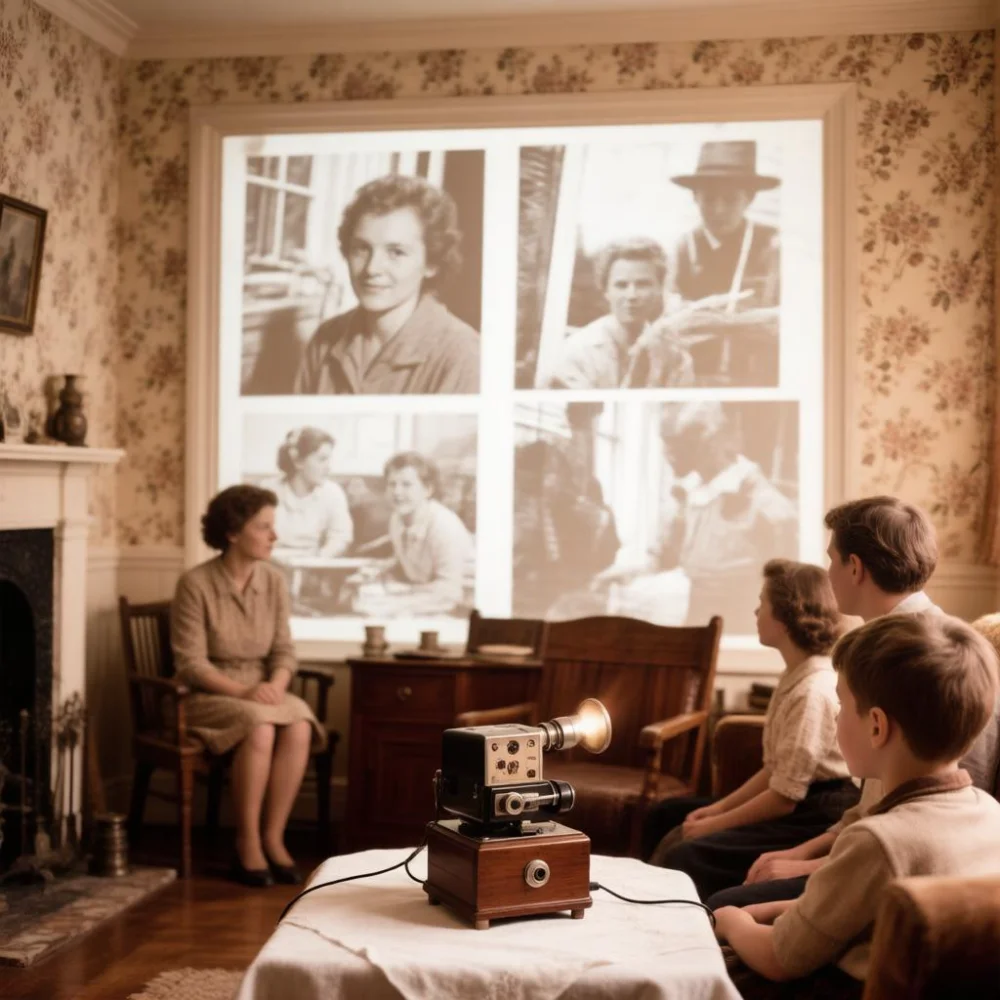
You might be wondering why a national archive holds so much amateur film. The answer is in our history. As Kasandra O’Connell mentioned, Ireland was a bit behind in developing a national film industry. The Irish Film Board (now Screen Ireland) wasn’t set up until 1980, and our national TV station, RTÉ, didn’t start broadcasting until 1961. This means that for a big chunk of the 20th century, most Irish films were made by amateurs.
This is where the experimental impulse can really thrive. The Archive collects amateur material because it’s often our most authentic and unvarnished visual record. It captures the quirks of daily life, the nuances of community, and the vernacular of a nation not yet fully scripted. These films were made for personal memory, not for public consumption, and they often have an experimental quality. They don’t follow the usual commercial conventions, so you get a pretty honest, uncensored view of Irish life that you can’t find anywhere else. While Irish Destiny (1926), The Quiet Man (1952) and Mise Éire (1959) are the mainstays of professional filmmaking, it’s in these unexpected reels that you really get to see the true spirit of a nation that’s in touch with its own history.
III. More Than Just Footage: A Comprehensive Collection
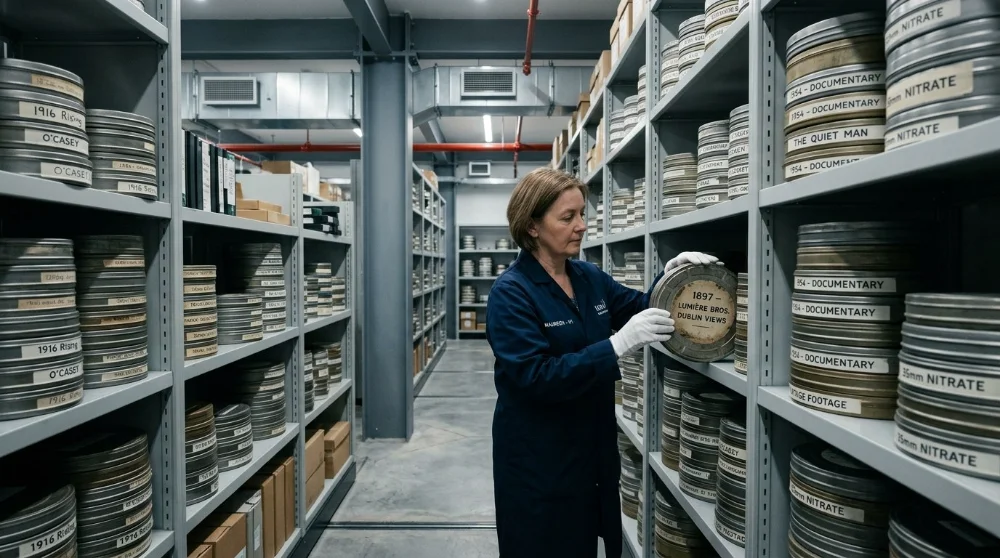
The Archive’s got loads of stuff. It’s got over 30,000 cans of film and 15,000 tapes, as well as the Tiernan MacBride reference library, which is priceless, and a collection of more than 30,000 stills, posters and documents. It’s got everything: fiction, features, public information films, documentaries, newsreels, animation, and experimental film.
The vaults in Temple Bar are where you’ll find key collections from directors like John Boorman and Neil Jordan. There’s another, bigger facility at Maynooth University that tripled the Archive’s capacity when it opened in 2018. While it doesn’t necessarily put experimental at the top of its categories, it’s the glue that holds a lot of its most interesting work together. The Archive actively buys amateur material that fits its acquisition policy, often from individuals and families. This helps to make sure that the true breadth of Irish moving image culture is preserved for future generations.
IV. A Window to the World: The IFI Archive Player
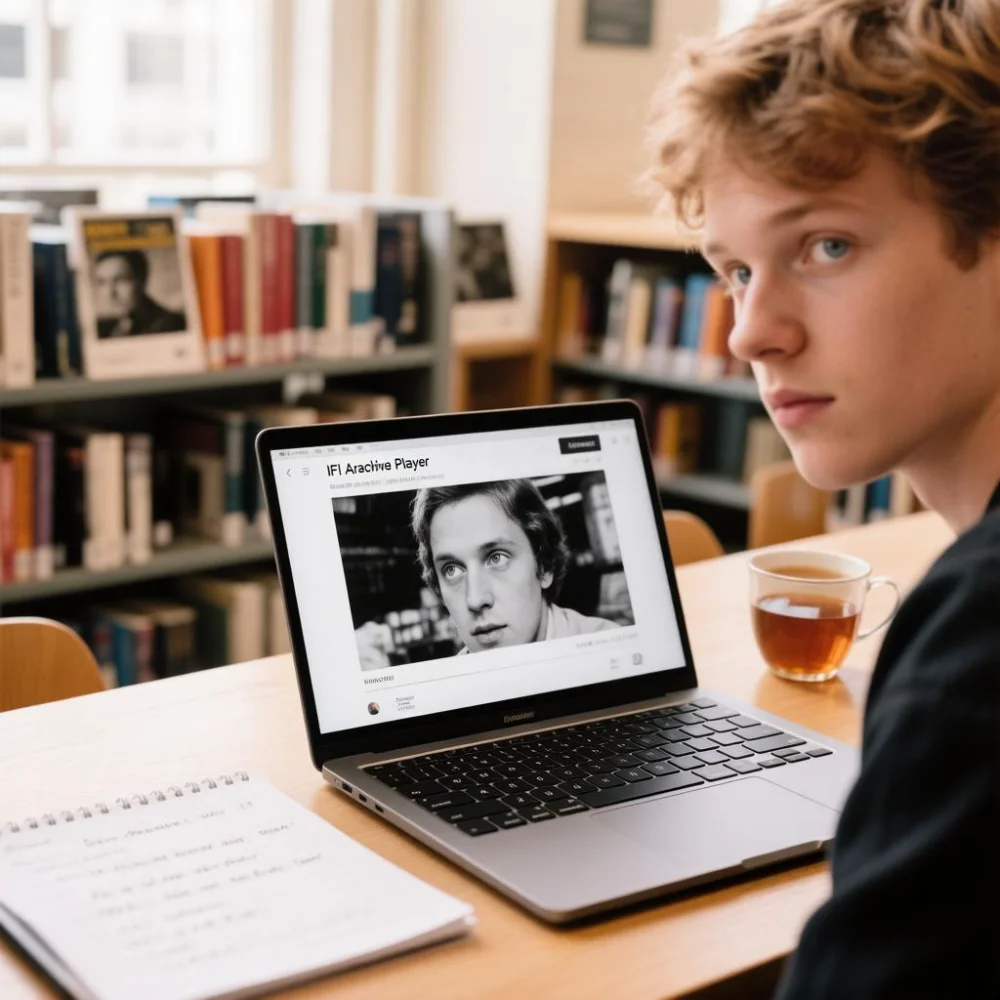
The Archive isn’t a closed book. The IFI made a really important move to make things more accessible when they launched the IFI Archive Player in 2016. This online platform is free to view and doesn’t have geo-blocking, so anyone in the world can explore 100 years of Irish film production. It’s here that we get to dig into the archive and find all these amazing treasures.
For our readers, this digital repository is a portal to the kind of work that defines the Irish Arts Review’s interests: the visual, the creative, and the culturally defining. It lets us take a look at the work of some of the first Irish artists, see familiar landscapes in a new way, and understand the artistic ideas that have shaped our nation. The material is used all the time by academics, students, filmmakers and researchers, which shows how useful it is as a living resource. It just goes to show how dedicated the Archive is to sharing the work they’ve been so carefully preserving.
V. Bridging Past and Future
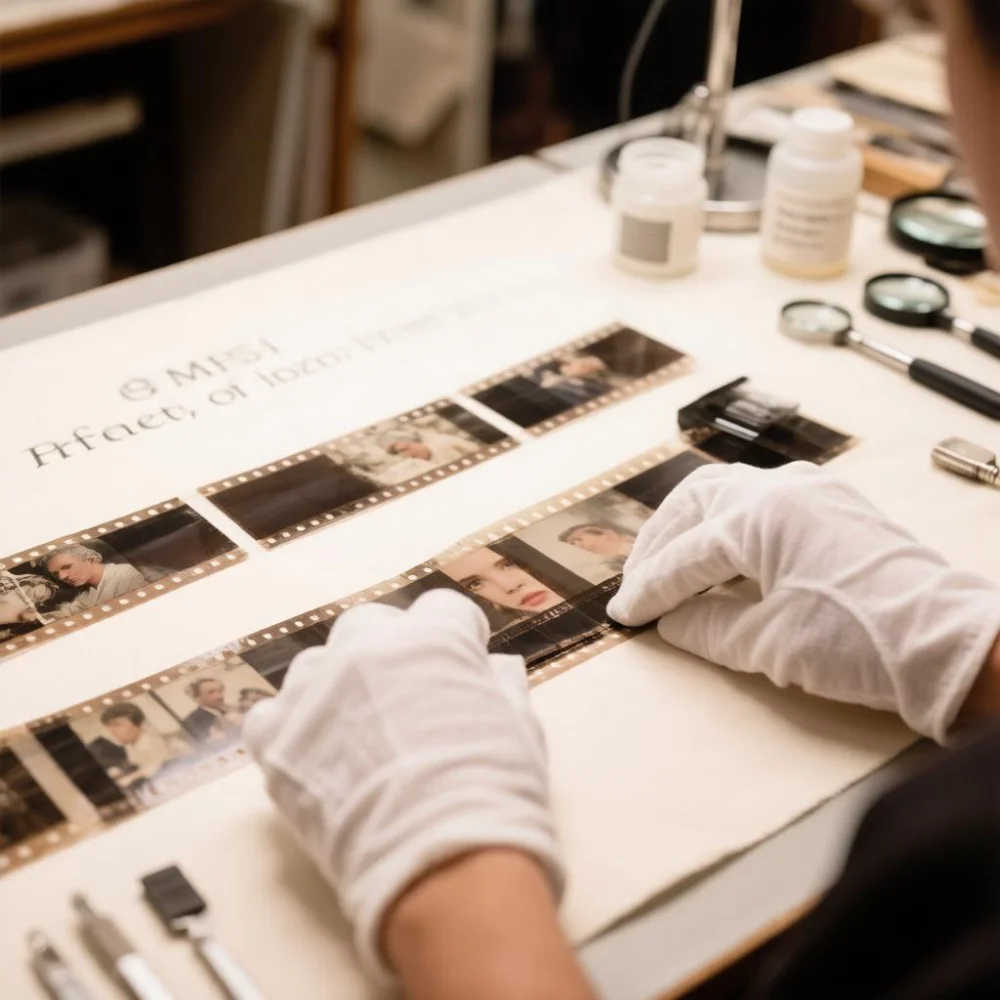
The work of the IFI Archive is a crucial act of cultural stewardship. To borrow from their own philosophy, preserving our film heritage is essential for ensuring that future generations can understand the Irish experience. But it is also a creative act. When the Archive restores a classic like Irish Destiny or showcases the experimental works of a new generation, it is not merely preserving the past; it is actively shaping the present and inspiring the future of Irish moving image culture.
This is work that deserves not just our attention, but our unwavering support. It ensures that the stories, images, and artistic visions of our nation will continue to speak to us for years to come.